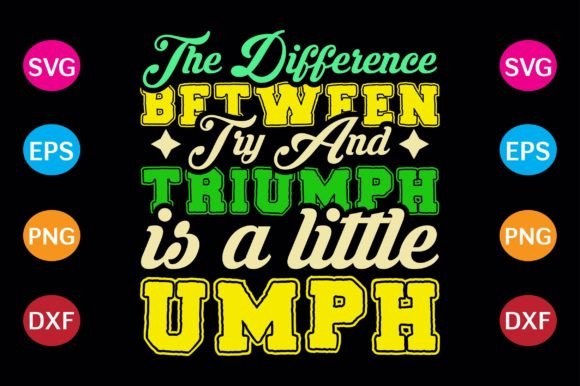
The Difference Between Try and Triumph is
As an embroidery designer with years of experience, I’ve seen countless digital designs come and go. Some are practical, others are just pretty pictures. The Difference Between Try and Triumph is falls into the former category—especially when it comes to real-world use in custom apparel, handmade products, and commercial embroidery projects.
First Impressions: A Design That Speaks Volumes
The first thing that stands out about The Difference Between Try and Triumph is its clean, bold typography. It’s a design that immediately conveys a sense of motivation and determination. The layout is simple but effective, making it ideal for a variety of embroidery applications. Whether it’s on a back-to-school T-shirt, a personalized tote bag, or a baby onesie, the design feels right at home.
The visual personality of The Difference Between Try and Triumph is confident and clear. There’s no unnecessary detail, which makes it easy to stitch and even easier to read from a distance. It’s the kind of design that works well in both small and large formats, as long as the stitching is done correctly.
Real-World Embroidery Use Cases
When considering The Difference Between Try and Triumph is for real embroidery work, there are several scenarios where it shines. For example, if you're creating a custom sweatshirt for a school fundraiser, this design would be perfect. Its straightforward layout ensures that it doesn’t get lost in the fabric, and the high-resolution PNG file makes it easy to preview on different backgrounds.
It also works well as an embroidered patch for a jacket or backpack. The design’s simplicity means it can be stitched with minimal complexity, which is great for beginners or those working under time constraints. For small business owners or Etsy sellers, The Difference Between Try and Triumph is could be a valuable addition to your design library, especially if you’re targeting a niche market like motivational gifts or educational-themed items.
Where to Be Cautious
While The Difference Between Try and Triumph is is versatile, there are some situations where it might not perform as well. If you’re planning to use it on a small hoop, you’ll need to make sure the design isn’t too detailed for that size. Similarly, on textured fabrics or stretchy materials, the design may not look as crisp as it does on a smooth, stable surface.
For dark fabrics, the contrast between the design and the background is important. If the thread color doesn’t stand out enough, the message could be lost. This is where testing on scrap fabric before committing to a project is essential. You don’t want to end up with a finished product that doesn’t meet your client’s expectations.
Impact on Visual Appeal and Customer Perception
The Difference Between Try and Triumph is has a strong visual appeal that can elevate any handmade product. When stitched properly, it adds a professional touch to custom apparel, making it more attractive to potential buyers. For small shop merchandise or Etsy listings, a well-executed design like this can make a big difference in how customers perceive the quality of your work.
It also plays a role in customer trust. A design that looks clean and well-stitched signals that you take your craft seriously. This is especially important for creative entrepreneurs who rely on their reputation to grow their business. Whether you're selling through an online store or at a craft fair, The Difference Between Try and Triumph is can help build brand consistency and recognition.
Practical Designer Notes
Before using The Difference Between Try and Triumph is in a real project, I recommend testing it on a scrap piece of fabric. This will give you a better idea of how the stitches look and whether the design needs any adjustments. Pay attention to the stitch density—too much or too little can affect the overall appearance.
Also, check the thread colors against the fabric you plan to use. If you’re working with a light-colored fabric, a darker thread will make the design pop. On the flip side, a lighter thread on a dark fabric might not be visible enough. Don’t forget to use the right stabilizer for the material you’re embroidering. This helps prevent puckering and ensures a smoother finish.
If you’re planning to sell finished products or digital files, always confirm the licensing terms. Even though The Difference Between Try and Triumph is is described as a digital download, it’s important to verify whether it’s suitable for commercial use. This is especially true if you’re running a craft business or selling on platforms like Etsy.
Final Thoughts: A Design That Delivers
The Difference Between Try and Triumph is is more than just a catchy phrase—it’s a practical design that can fit into a wide range of embroidery projects. From back-to-school T-shirts to personalized gifts, it offers versatility, clarity, and visual impact. With proper care and attention to detail, it can become a staple in your design collection.
Whether you’re an experienced embroiderer or just starting out, The Difference Between Try and Triumph is is a design worth considering. It’s a reminder that success often comes down to the details—and that includes the quality of the embroidery files you choose to work with.